Roofing knowledge. Grounded advice.
A better roof starts with a clearer plan.
Know what to repair, what to replace, and what to ask before you commit. We make roofing decisions easier to understand—without the sales pressure.
For homeowners planning ahead, comparing quotes, or making sense of a roof problem.

Less jargon. More useful context.
Beyond the material you can see.
Your climate, home, and priorities.
Start with what matters
Find your next step.
A roof is a system, not just a surface. Look at the problem, the materials, and the work behind the quote.
Repair or replace?
A leak does not automatically mean a new roof. The extent of damage, the roof’s condition, and the source of water all deserve a closer look.
Start with: a documented inspection.
Choose the right system.
Shingles, metal, and tile bring different trade-offs. Weight, slope, local weather, installation requirements, and maintenance matter as much as appearance.
Start with: your home’s requirements.
Read beyond the price.
A useful estimate explains tear-off, flashing, underlayment, ventilation, disposal, and how unexpected deck repairs will be priced.
Start with: an itemized scope of work.
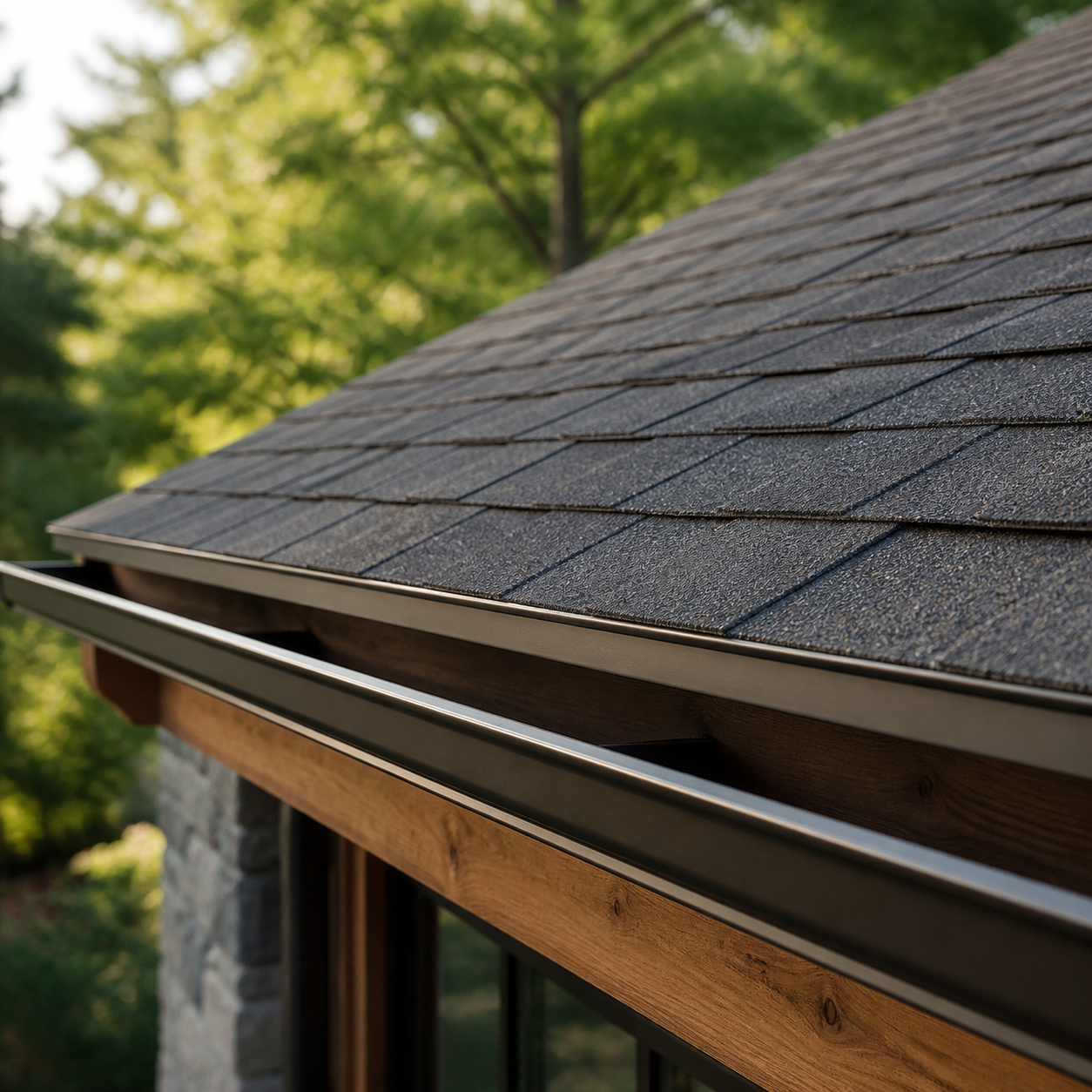
Look beyond the shingles
The details do the heavy lifting.
Flashing directs water away from vulnerable joints. Underlayment adds a protective layer beneath the roof covering. Ventilation and air sealing help manage attic conditions.
Understanding how these parts work together gives you better questions to ask—and a better way to compare proposed solutions.
Build your roofing knowledgeBefore you request a quote
A little preparation goes a long way.
You do not need to climb a ladder to gather useful information. Start with what you can safely document from the ground and inside your home.
- Write down what changed.Note when stains, drips, or visible damage appeared and whether they followed a particular storm.
- Gather your roof records.Look for installation dates, previous repair invoices, warranty documents, and any inspection reports.
- Ask for comparable scopes.Have contractors explain materials, labor, exclusions, payment stages, and responsibility for permits.